

AMD’s rise to power in the last few years can be largely attributed to its strategic innovations, including the introduction of Ryzen and EPYC processors. The Ryzen series, especially the 7000 series, has been a game changer in the desktop CPU market, balancing multi core performance and power efficiency at a competitive price.
This has made AMD Ryzen a popular choice for gamers, creators and professionals who want high end performance without the high end price.
The company’s focus on architectural advancements, 7nm and 5nm process nodes has improved performance per watt, higher clock speeds and better thermal performance. And the inclusion of PCIe 5.0 and DDR5 memory support in their newer processors means you have access to the latest and greatest technologies.
But AMD’s leadership isn’t just limited to the consumer space. With EPYC they’ve disrupted the server and data center market and are offering scalability and efficiency that directly competes with Xeon.
As AMD continues to innovate with Ryzen and EPYC the competition between Ryzen and Core will only get more fierce as both companies try to meet the growing demands of gaming, pro workloads and enterprise.
Discover the best AMD CPUs of 2025 for gaming and more. Find the right processor to elevate your performance today!
One of the reasons AMD has taken off is the Ryzen series which started to change the performance landscape when it was first released. The Ryzen processors are based on the Zen architecture which focuses on increasing core counts, multi-threading and overall processing power.
AMD pushing the limits of their architecture with the release of Ryzen 5000, Ryzen 7000 and Ryzen 9000 series has paid off and gives users a balanced performance to price.
Ryzen 9000 series for example uses AMD’s latest process technology and premium performance. These processors use the 5nm process node which means faster clock speeds, lower power consumption and more cores for gaming and productivity.
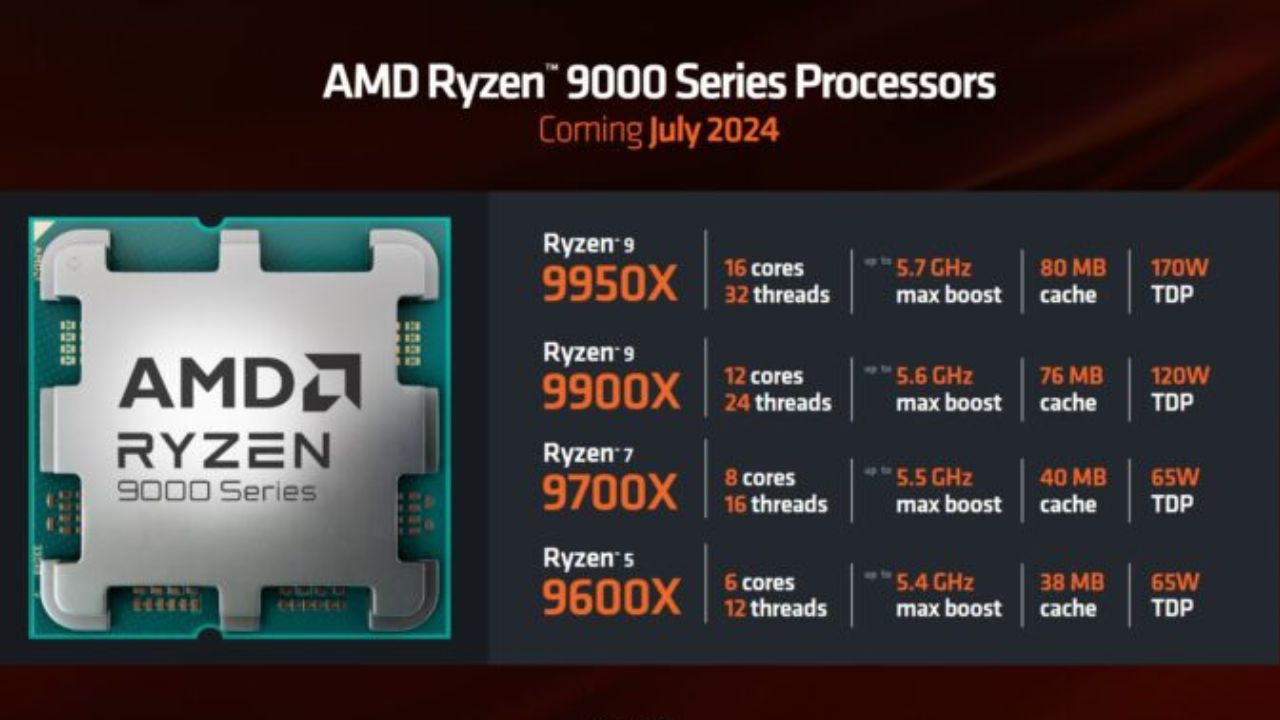
With options like the Ryzen 9 9950X, users can enjoy top-tier performance for demanding tasks, such as video editing, 3D rendering, and software development, while also benefiting from excellent gaming performance.
AMD Ryzen has also made strides in its ability to cater to budget-conscious consumers with its Ryzen 5 and Ryzen 3 series processors. These models maintain a balance between affordability and performance, providing great value for gamers and light productivity users.
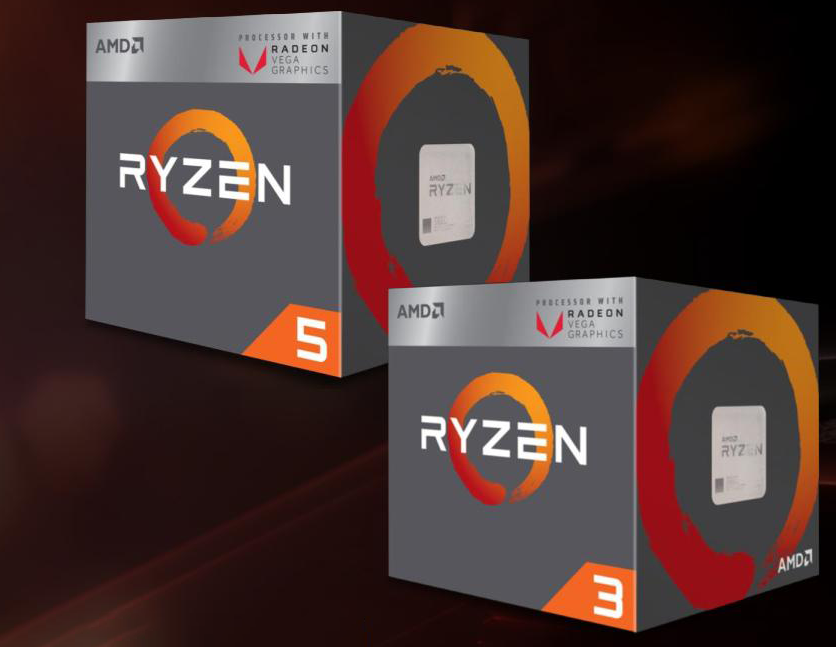
For example the Ryzen 5 7600X is a great gaming performer at a fraction of the cost of higher end processors so it’s a great option for those who want a good gaming experience without spending a lot. The Ryzen 3 series is even more budget friendly and a good entry level CPU for everyday computing needs.
For enthusiasts and professionals who need workstation grade performance AMD’s Threadripper and EPYC series CPUs are solutions that rival Intel’s Xeon processors. These high end processors are for tasks like 4K video editing, scientific simulations and complex computational workflows.
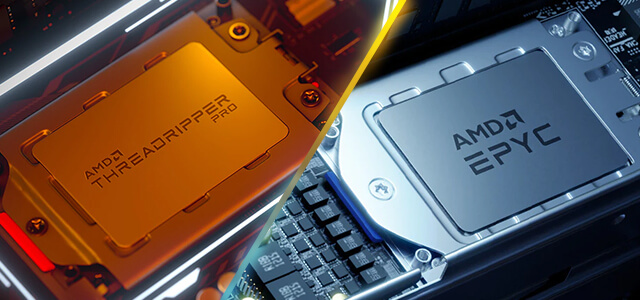
AMD’s multi-threaded capabilities and excellent efficiency allow users in these fields to get more work done in less time and at a more competitive price point.
Another great feature of the new AMD CPU lineup is the integrated GPU. With the introduction of APUs (Accelerated Processing Units) AMD Ryzen combines a CPU and GPU on one chip so it’s a great option for budget conscious users who don’t want to buy a separate graphics card.
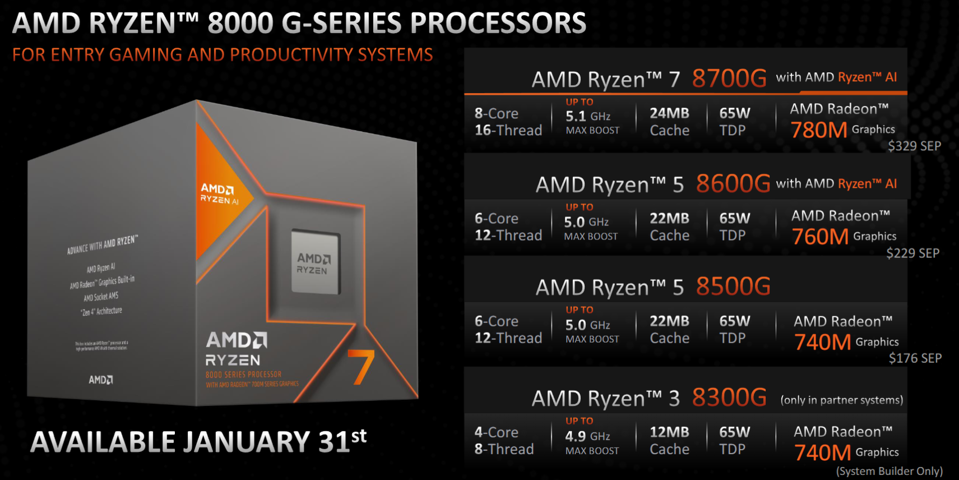
The Ryzen 5 8300G and Ryzen 7 8700G are examples of these APUs, they offer good gaming experience for games that don’t require high graphics and the efficiency of integrated graphics. This is great for systems where space is a concern or for those building compact PCs for casual gaming.
In addition to their products, AMD’s socket compatibility has been a big plus. For years Intel has changed their motherboard sockets with every new processor generation forcing users to buy new motherboards every time they upgrade their CPU.
But AMD has kept the AM4 socket for several Ryzen generations so users can upgrade their CPUs without having to buy a new motherboard. With the AM5 socket for Ryzen 9000 series CPUs, they’re continuing that trend, making it easier to stay current.
AMD’s focus on high performance at competitive prices has forced others, especially Intel CPUs, to up their game. That’s good for consumers as the competition between the two CPU giants means more affordable and powerful CPUs for all kinds of users, from casual gamers to content creators to professionals who need the best.
As of 2025, AMD has released their Ryzen 9000 series desktop CPUs, marking a significant leap in performance with the new Zen 5 architecture. These processors are designed to push the limits of both single-core and multi-core performance, making them a great choice for gamers, content creators, and professionals. When you’re building a personalized setup for gaming or productivity, AMD’s latest offerings provide a strong foundation, ensuring your system delivers top-tier performance across a wide range of tasks.
With AI, gaming and demanding applications on the rise AMD has optimized these processors for modern workloads.
The Ryzen 9000 series with Zen 5 cores has big improvements in single core and multi core performance. The move to Zen 5 brings a new level of processing power with the core architecture optimized for power efficiency and higher clocks. AMD’s engineers have tuned the chips to balance raw performance with thermal management so the Ryzen 9000 series can run at full tilt for hours.

One of the big wins in the Ryzen 9000 series is the more advanced 3D chiplet stacking. This allows more memory bandwidth so the CPUs can handle more data at once which is great for high performance tasks like video editing, 3D rendering and gaming at max settings.
Also the new instruction sets in Zen 5 architecture means the processors can do tasks more efficiently so faster times across all applications.
And the 3D V-Cache in some models like the Ryzen 9 9950X, this new gen of V-Cache gives huge gaming performance boost especially in games that rely heavily on large amount of data being accessed fast.
Games like “Cyberpunk 2077” and “Assassin’s Creed: Valhalla” can utilize the extra cache to reduce latency and have smoother gameplay even in heavy loads. AMD’s continuous investment in optimizing their chips for better gaming performance shows they are serious about delivering a great gaming experience for all gamers.
The Ryzen 9000 series will redefines the high end desktop CPU market and will compete directly with Intel’s latest offerings. Early benchmarks show Ryzen 9000 chips beating Intel Core i9-14000K in gaming and productivity.
This performance boost makes them a good choice for those who want to future proof their systems as Zen 5 cores can handle upcoming software advancements including AI driven applications and next gen gaming engines.
While the Ryzen 9000 series is the star of the show with its Zen 5 architecture, AMD also made some smart moves to make their previous gen Ryzen 7000 series more affordable. After the release of Ryzen 9000 CPUs, AMD cut the prices of their Zen 4 processors, making them even more viable for those who want to balance performance and cost.
Now with the price cut, the Ryzen 7000 series is a good option for those who need powerful processors for gaming, multitasking or content creation but not the top of the line performance of the Ryzen 9000.
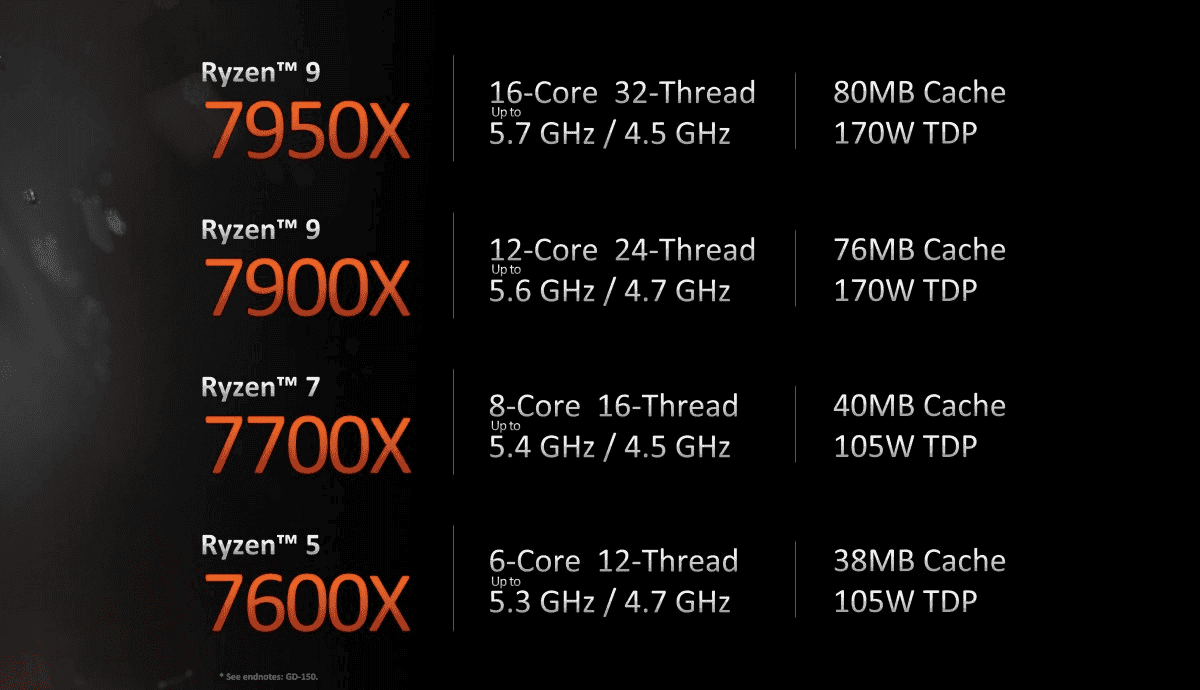
The Ryzen 7000 series which includes the Ryzen 9 7950X and Ryzen 7 7800X is great for most users. These processors are still based on the Zen 4 architecture and have strong single core and multi core performance making them good for gaming and productivity.
The price cuts which are 10-20% off the previous MSRP make these processors more competitive against Intel in the mid range market.
Notably AMD has made a big push to make their processors more affordable so users don’t have to compromise on performance to stay within budget. For gamers the Ryzen 7000 series is a great value as you get good gaming performance for less than what you would pay for a Ryzen 9000 or Intel Core equivalent.
Also the Zen 4 architecture is optimized for DDR5 memory so users can take full advantage of high speed RAM and other modern tech.
In addition to price cuts AMD has continued to innovate within the Ryzen 7000 series with the introduction of 3D V-Cache models like the Ryzen 9 7950X3D and Ryzen 7 7800X3D. These processors use AMD’s 3D stacking tech to increase cache sizes dramatically so they perform better in gaming scenarios where lots of data needs to be accessed quickly.
3D V-Cache gets you better frame rates and lower latency in gaming. Some benchmarks show up to 20% better performance in certain games.
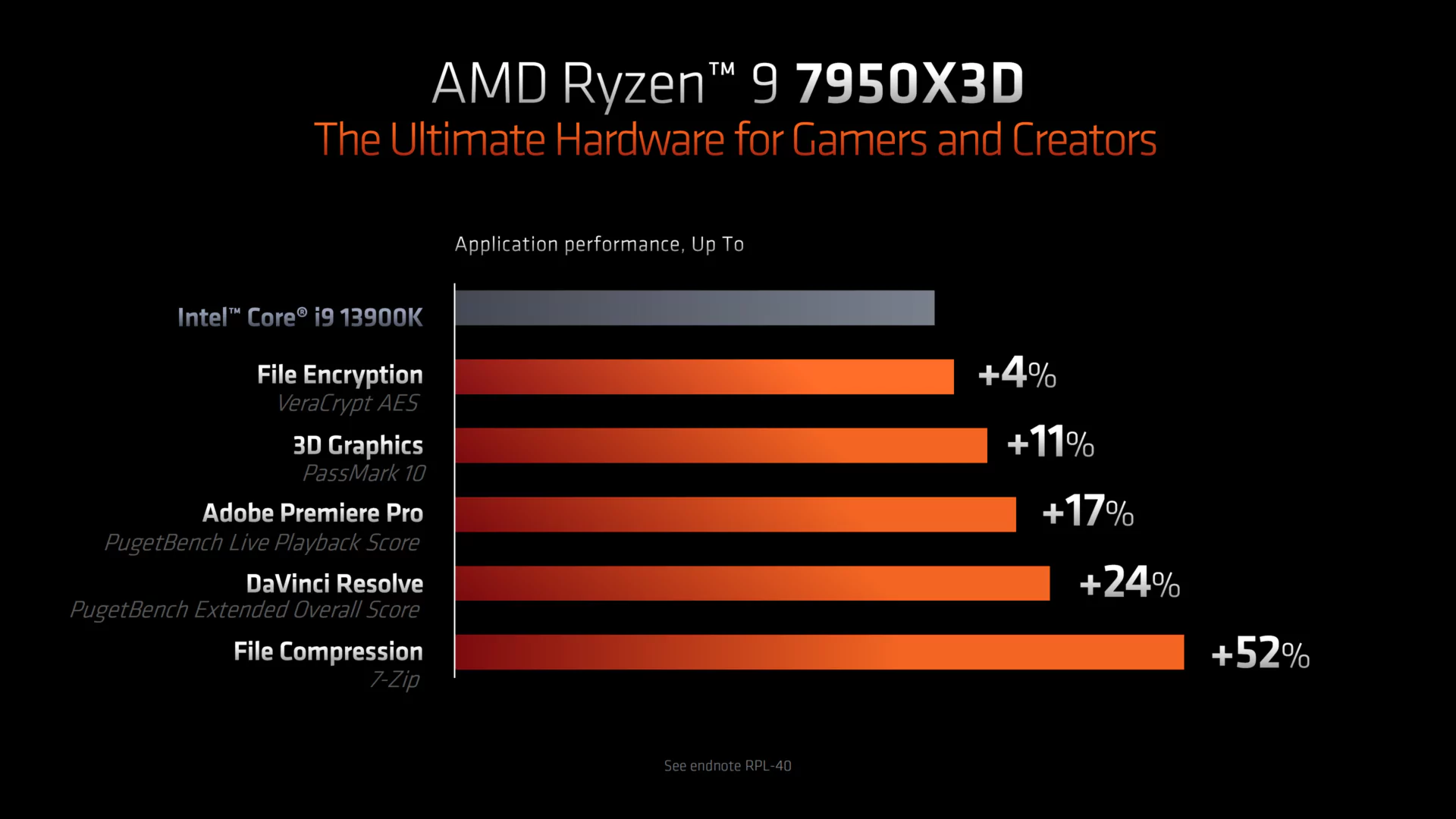
For gamers this means the Ryzen 7000 X3D chips are perfect for high end gaming rigs where frame rates and low latency are key. The extra cache allows the CPU to hold more game data closer to the cores so data retrieval from main memory is minimised. In fast games like “Call of Duty: Modern Warfare” and “Fortnite” this can mean smoother gameplay, less stutter and a better overall gaming experience.
The Ryzen 7000 X3D processors have received great reviews for their performance especially for users who don’t need the extreme multi core capabilities of the Ryzen 9000 series but still want the best gaming has to offer. They also offer great value for those who game more than they work as the extra cache gives you an edge in the latest games.
Looking forward AMD’s 2025 processor line up will continue to offer powerful CPUs at all price points. The Ryzen 9000 series will be for enthusiasts, content creators and professionals who need top end performance, the Ryzen 7000 series price cuts and 3D V-Cache chips will keep AMD competitive in the mid range.
AMD’s focus on optimizing their processors for gaming performance, productivity and multitasking will continue to make them popular with consumers. With future AMD chips we can expect more performance, efficiency and integration of the latest technologies like AI and machine learning optimisation.
In 2025 AMD is still the value and performance leader with their Ryzen series of processors. Here’s the best and most powerful AMD CPUs.
For gaming the Ryzen 9 7950X3D is one of the best CPUs out there. 16 cores and 32 threads for multi threaded performance but it’s the 3D V-Cache that takes it to the next level.
This stacks more L3 cache on top of the processor, for single core performance which is key for games that need high clock speeds and big caches to run.
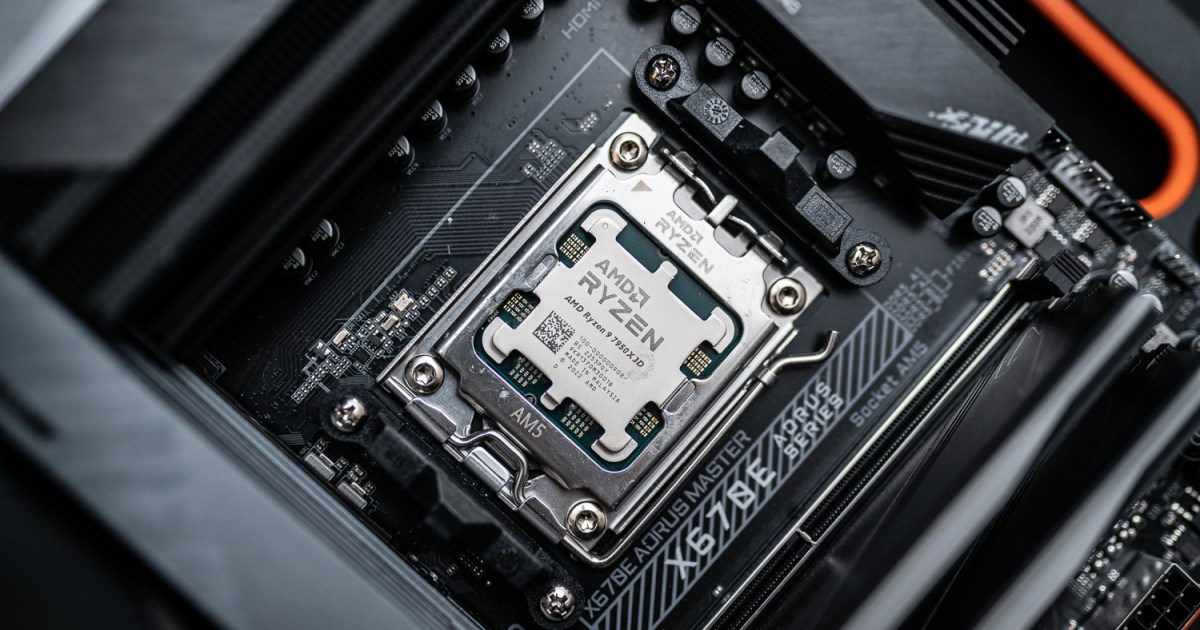
Whether you’re gaming on demanding AAA titles like Cyberpunk 2077 or exploring vast open worlds in Baldur’s Gate 3, the Ryzen 9 7950X3D delivers smooth and immersive gaming. The extra cache gives it a big advantage over the competition especially in CPU heavy tasks like physics, AI and scenarios where game engines use CPU cycles.
The large cache also reduces latency and improves responsiveness so it’s perfect for games with complex environments and lots of AI.
Compared to previous Ryzen’s the 7950X3D is in a league of its own, it’s the best gaming CPU of this generation (so far). Yes it’s more expensive but the gaming performance justifies the cost if you want the best gaming experience.
This CPU is a beast for gaming and content creation and multitasking so it’s a great option for users who want one machine that can do both gaming and work.
The Ryzen 7 7800X3D is another great option for gamers, it’s great outstanding gaming performance for a lower price than the 7950X3D. It has eight cores and 16 threads with Zen 4 cores and 3D V-Cache.
These features make the Ryzen 7 7800X3D excel in games that need high clock and large caches. Whether you’re into competitive esports or open world games, the Ryzen 7 7800X3D can handle it all.
In comparison, the Intel chips Core i9-14700K has good performance with 6 P-cores and 4 E-cores. The Intel processors Core i7-14700K is a strong contender in gaming workloads, especially with its higher clock and multi-core performance.

But the 7800X3D has a slight edge in gaming due to better cache management and more gaming optimized architecture. AMD’s 3D V-Cache technology shines in CPU heavy gaming scenarios where the 7800X3D outperforms the Intel Core.
The 7800X3D is a great balance of performance and cost, it’s one of the best gaming CPU for those who want a high performance gaming CPU without breaking the bank. It’s perfect for those who want to max out gaming performance while keeping the price lower than the high end Ryzen 9.
Coming soon AMD’s Ryzen 9000 series will further change the gaming and computing landscape. Powered by the Zen 5 architecture the Ryzen 9000 series will have major single core and multi core improvements.
The 7000 series already has top performance but the 9000 chips will have more technology and process node advancements, possibly 3nm.
The 9950X will be one of the flagship of the 9000 series. Rumors are circulating about up to 18 cores and 36 threads, this is for enthusiasts who want absolute power, especially in highly threaded applications like 3D rendering, scientific simulations and complex gaming scenarios.
This chip will likely continue the use of 3D V-Cache technology, but with even larger cache sizes, enabling it to deliver superior gaming and multitasking performance.
One of the key improvements anticipated with the Ryzen 9 9950X is its AI integration. AMD is expected to integrate dedicated hardware for AI processing, which could have a huge impact on gaming and productivity workloads. For gamers, this could mean better AI in NPC behaviors, real-time ray tracing, and potentially even better game optimization based on machine learning models.
The Ryzen 7 9750X is also rumored to be an excellent choice for gamers who are looking for a more affordable option within the Ryzen 9000 series. It is expected to feature 12 cores and 24 threads, offering a solid balance of gaming and productivity performance. This processor would be perfect for gamers who want top-tier performance without the excessive cost of the Ryzen 9 series.
What sets the Ryzen 7 9750X apart is its improved clock speeds and optimized architecture, which should allow it to compete head-to-head with Intel’s high-end offerings while providing better overall value for users who don’t need the extreme performance of the Ryzen 9 9950X.
Although not much is known about the Ryzen 9 9000X yet, it is expected to represent AMD’s ultimate offering, delivering unparalleled performance in both gaming and content creation. With rumors of increased core counts, faster clock speeds, and larger cache sizes, the Ryzen 9000X will likely solidify AMD’s position as the leader in the high-performance CPU market.
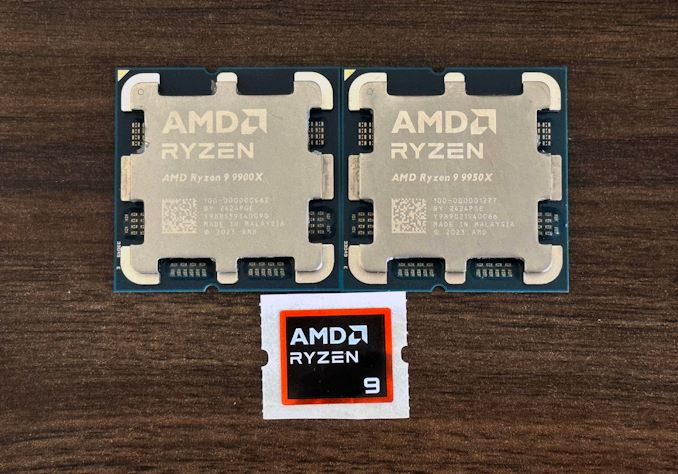
Big performance gains for multi-core too, with a focus on delivering the best experience for gamers, streamers and content creators.
In 2025 AMD’s Ryzen 7000 series is going head to head with Intel’s latest. Intel Core i7-14700K has a hybrid architecture with 6 performance cores and 4 efficiency cores, up to 5.3 GHz and 24MB L2 and 20MB L3 cache.
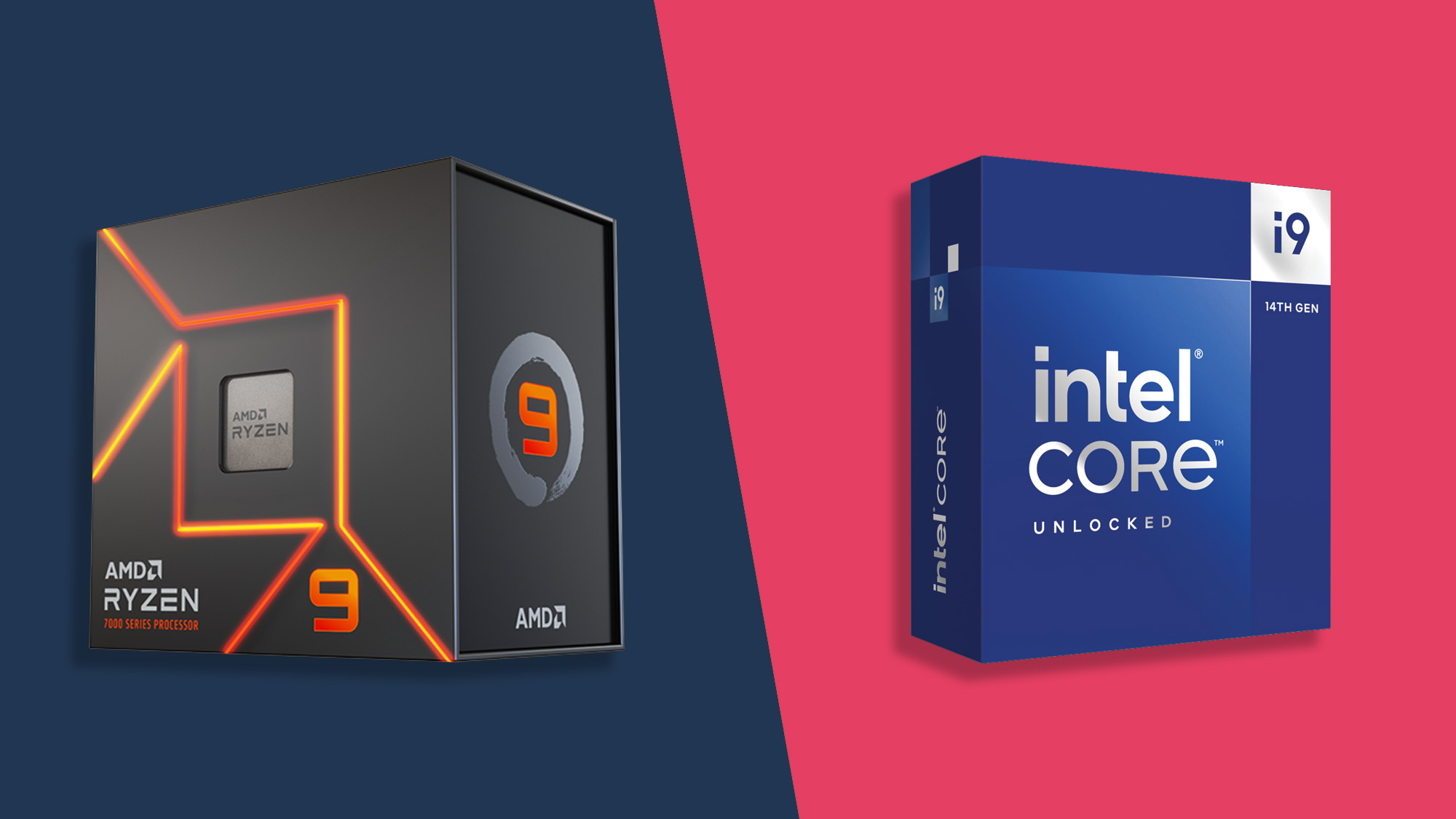
But in gaming performance the Ryzen 7 7800X3D beats the Intel Core i7-14700K in most gaming benchmarks, especially in games that use AMD’s 3D V-Cache technology. 3D V-Cache gives the Ryzen 7 7800X3D a big boost in cache heavy games which gives AMD an edge in the gaming CPU market.
While high end processors like the Ryzen 9 7950X3D and Ryzen 7 7800X3D rule the gaming roost, AMD also has a range of mid range and budget CPUs that deliver great performance for less.

The Ryzen 5 7600X is an excellent choice for gamers looking for a budget-friendly option without compromising performance. With six cores and 12 threads, it delivers solid performance across a range of gaming titles, and its energy efficiency ensures a cooler and quieter system.
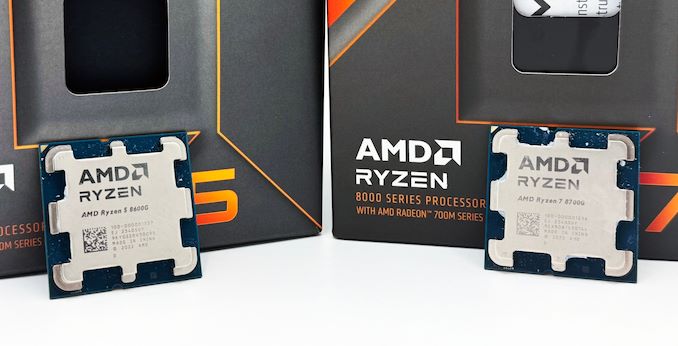
For those looking for an all-in-one solution, the Ryzen 5 8600G is a strong option, offering integrated RDNA3 graphics. It’s an excellent choice for users building a Gaming PC with limited space or for those who don’t want to purchase a dedicated GPU. The Ryzen 5 8600G combines the efficiency and performance of AMD’s Zen 4+ architecture with powerful mobile graphics, making it a great value proposition.
If you’re a content creator or someone who needs top-tier performance for demanding applications, the Ryzen 9 9900X is the ultimate processor. This 16-core, 32-thread powerhouse is designed to handle the most demanding workloads, such as 3D rendering, video editing, and content creation. While the Ryzen 9 9900X is overkill for gaming, its sheer power makes it ideal for professional creators who need a reliable and high-performance CPU.
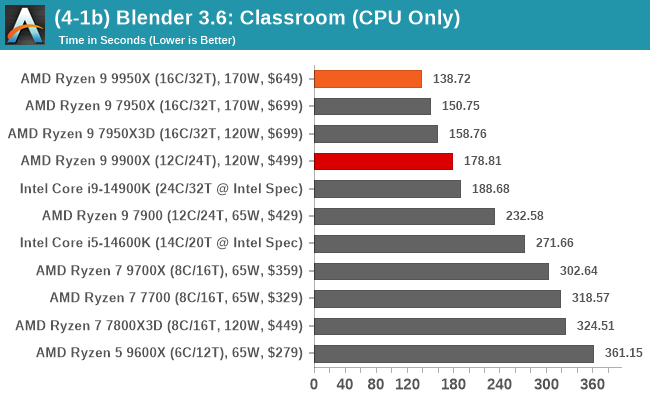
With high clock speeds and robust multi-threading capabilities, the Ryzen 9 9900X is one of the best processors for tasks that require heavy computing power. It’s also great for users who do more than just gaming and need a CPU that can handle multitasking without breaking a sweat.
When choosing the best CPU for gaming, one of the most common questions is: How many cores do you need? Most modern games use between 2 and 6 cores, so 6 to 8 cores should be sufficient for most gamers. More cores can improve performance in multitasking, streaming, and running background applications, but games themselves don’t always benefit from additional cores.
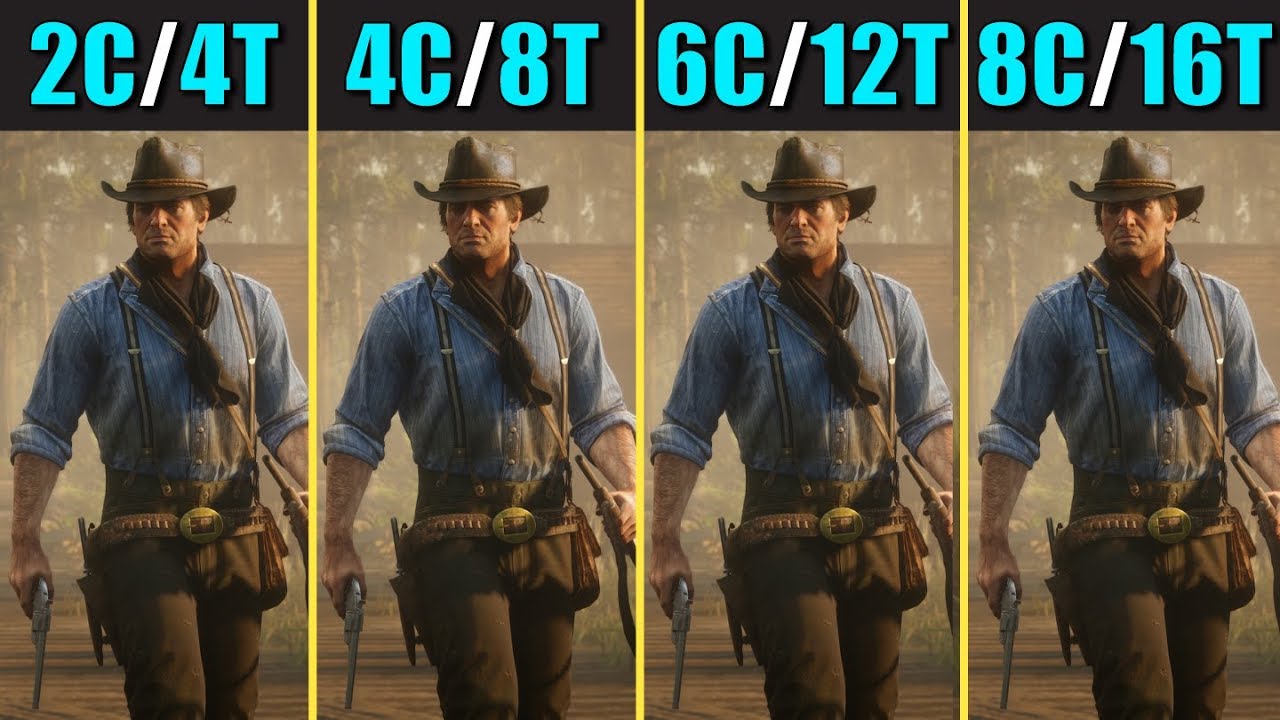
Intel and AMD processors have different approaches to cores. Intel’s Intel Core i9-14900K features a hybrid core design with performance cores (P-cores) and efficiency cores (E-cores), while AMD’s Ryzen 7 7800X3D focuses on offering more cores with equal performance. For most gaming tasks, 6 to 8 cores are more than enough, but content creators may benefit from additional threads offered by high-end processors like the Ryzen 9 9900X.
For users who don’t want to purchase a dedicated GPU, AMD offers processors with integrated graphics. The Ryzen 5 8600G and Ryzen 7 8700G are some of the best CPUs for gaming with integrated graphics. These chips feature RDNA3-based graphics, providing solid performance without needing a discrete GPU.
If you’re going to pair your AMD CPU with a dedicated GPU you’ll need a compatible motherboard. AMD’s AM5 platform supports DDR5 memory and PCIe 5.0 so it’s future proof. The Asus ROG Crosshair X670E Hero and MSI MPG Z490 Carbon WiFi are top of the line motherboards that can unlock the full potential of AMD’s Ryzen processors.
Overclocking can give you more performance but it comes with risks. Overclocking generates heat which requires better cooling to be stable. For most gamers overclocking isn’t necessary especially since modern processors like the Ryzen 9 7950X3D and Ryzen 7 7800X3D are already fast out of the box.
If you do overclock make sure you have a good cooling solution like an aftermarket air cooler or liquid cooling. This will keep your CPU cool and stable during long gaming sessions.
Our testing methodology for gaming performance includes the latest CPUs including the Ryzen 9000 series. We use a bunch of modern games and benchmarks to test the CPUs for real world gaming and synthetic tests to show what the CPUs can do.
The Ryzen 9000 series brings notable improvements over previous generations, and we’ve designed our tests to reflect those advancements, measuring the impact they have on gaming and overall performance.
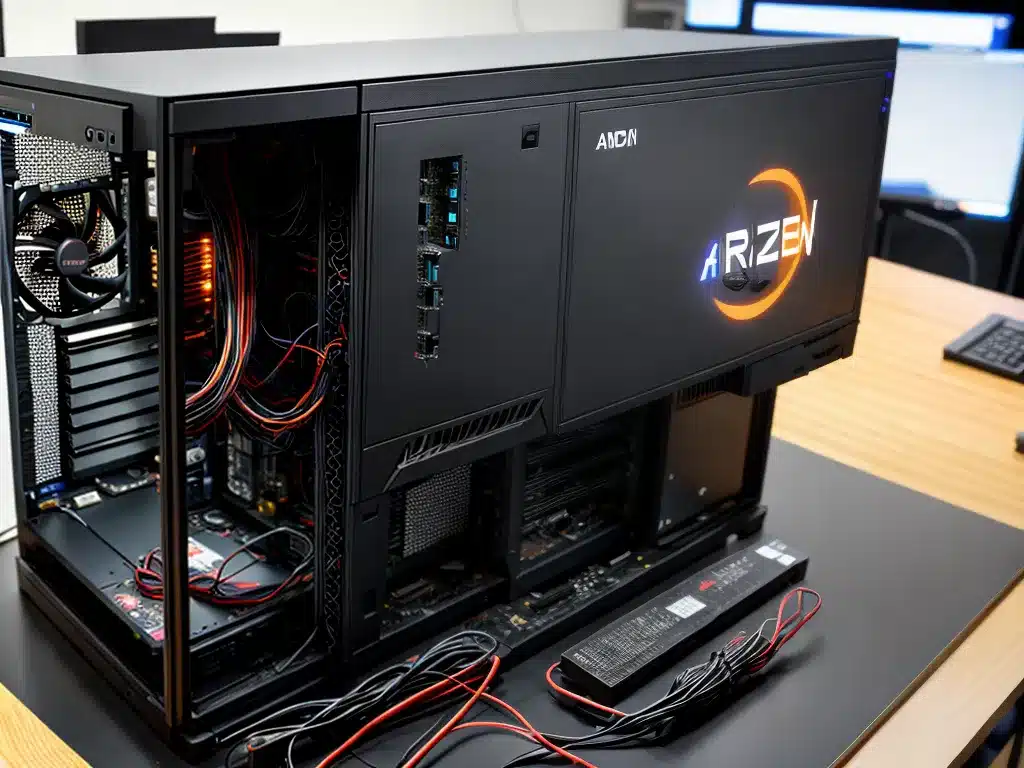
We test at 1080p as this is where the CPU is most stressed and it’s the bottleneck in gaming performance. This resolution puts less emphasis on the GPU and allows us to see how the CPU impacts frame rates and overall system responsiveness. This is what we need to test to see how the Ryzen 9000 series handles demanding games and heavy workloads which is what gamers want maximum performance.
The Ryzen 9000 series is based on AMD’s latest architecture and brings higher clocks, better multi core performance and more efficiency. We need to compare them to AMD’s previous generations and Intel’s latest offerings. By testing the Ryzen 9000 CPUs against other top tier CPUs we get a clear picture of where these chips sit in gaming performance.
We use a mix of high end motherboards and gaming systems to stress test CPUs. For example we use the Asus ROG Maximus Z690 Hero and MSI MPG Z490 Carbon WiFi which are known for their stability and overclocking.
These motherboards allow the CPU to run at its full potential so are perfect for testing the Ryzen 9000 series. We want to provide an environment where the CPU can show its true performance without any other components holding it back.
For gaming we use a selection of modern, demanding games that show off the CPU’s strengths and weaknesses. Games like Cyberpunk 2077 and Baldur’s Gate 3 are great examples of CPU intensive gameplay especially in open world scenarios where the CPU has to handle complex AI and massive environments.
Metro Exodus Enhanced is another game that pushes CPU performance, especially in its ray tracing modes which can stress the processor’s ability to handle multiple threads and high frame rates. Total War: Warhammer 3 is a more strategic game that requires a lot of CPU power when managing large battlefields and processing thousands of units in real-time.
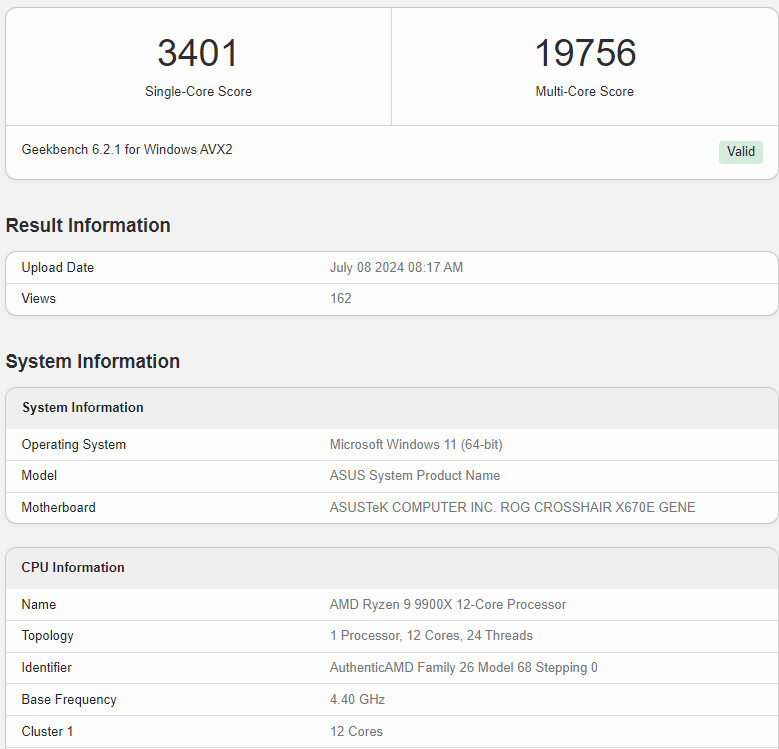
We also use synthetic tests like Cinebench 2024 and 3DMark Time Spy. These give us quantitative results to compare CPUs in a controlled environment. Cinebench 2024 tests multi-threading and overall CPU performance which is important for multi-tasking and modern gaming engines.
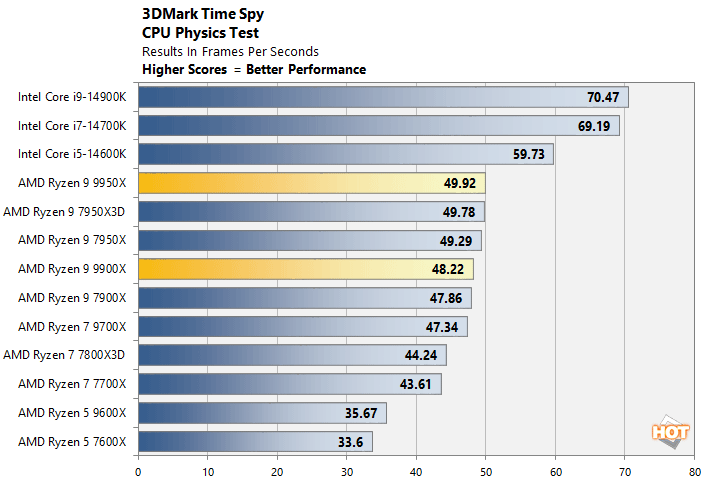
And 3DMark Time Spy measures the CPU’s performance in gaming and graphics workloads to see how well it handles modern GPU heavy tasks with a capable discrete graphics card. These synthetic tests supplement our gaming benchmarks and give a broader view of how the Ryzen 9000 series performs under different conditions.
We test the Ryzen 9000 series to show the real world performance improvements AMD has made in these CPUs. We look at single core and multi core performance as both are important in gaming.
Single core performance is important for games that rely on high clock speeds and multi core performance is important for games that use multiple threads for AI, physics and other background processes. By testing both we make sure we give a full view of how the Ryzen 9000 series impacts gaming.
We also monitor temperatures and power consumption during the tests. The Ryzen 9000 series CPUs are on a 5nm process and we expect improvements in power efficiency. But we need to see how the CPU handles extended gaming and overclocking as gaming workloads can put a lot of strain on power delivery and thermal management.
We use thermal monitoring tools to make sure the CPU stays within safe temperatures when running at high loads. This is important for gamers who want to push their system to the limit and still have stability.
Lastly we look at the overall user experience, including responsiveness, multitasking and how well the Ryzen 9000 series integrates with other components like RAM and storage. Modern gaming PCs do multiple tasks at the same time, from background apps to game updates and streaming. The Ryzen 9000 series is designed to handle these loads and we make sure to see how well the CPU can handle gaming and multitasking without compromising performance.
In short, our testing for the Ryzen 9000 series covers CPU gaming performance. We use modern gaming titles, synthetic benchmarks and real world tests to give you a full view of how the Ryzen 9000 series compares to other top CPUs.
Whether it’s single core performance, multi core performance, power efficiency or gaming performance our methodology is designed to show you the good and the bad of AMD’s latest offerings so you can make an informed decision when choosing a CPU for your next build.
2025 and AMD’s Ryzen 9000 series is taking gaming performance to new heights with even more powerful options for gamers. Building on the success of the Ryzen 7000 series the Ryzen 9000 series brings new architectures and optimizations to gaming, multitasking and overall system performance.
With models like the Ryzen 9 9950X3D, Ryzen 7 9800X3D and Ryzen 5 9600X the Ryzen 9000 series takes gaming to new levels.
For gamers who want the best performance the Ryzen 9 9950X3D is the way to go, with its multi core configuration and 3D V-Cache technology. This processor delivers high frame rates and eliminates bottlenecks so you can game smooth in the most demanding games.
It’s good for gamers who also do content creation like video editing or streaming where the multi threading gives a good balance of gaming and productivity.
The Ryzen 7 9800X3D is a good balance of performance and price, it’s in between the Ryzen 9 flagship and the more budget options. It has higher clock speed and more cache than the others so it’s a good choice for gamers who want gaming performance without the high price of the top end models.
For those on a budget the Ryzen 5 9600X is still a good choice, it’s good for gaming and daily tasks. It doesn’t have the same number of cores as the Ryzen 7 or 9 models but its price to performance ratio is good for gamers who want a budget CPU that can handle AAA games easily.
The Ryzen 9000 series has CPUs for different needs and budget. Whether you’re a high end gamer or someone who wants to maximize performance while keeping costs low, AMD has you covered in 2025. Each processor is good for gaming so it’s up to you to choose which one fits your needs – whether that’s top end performance, multitasking or value for money.